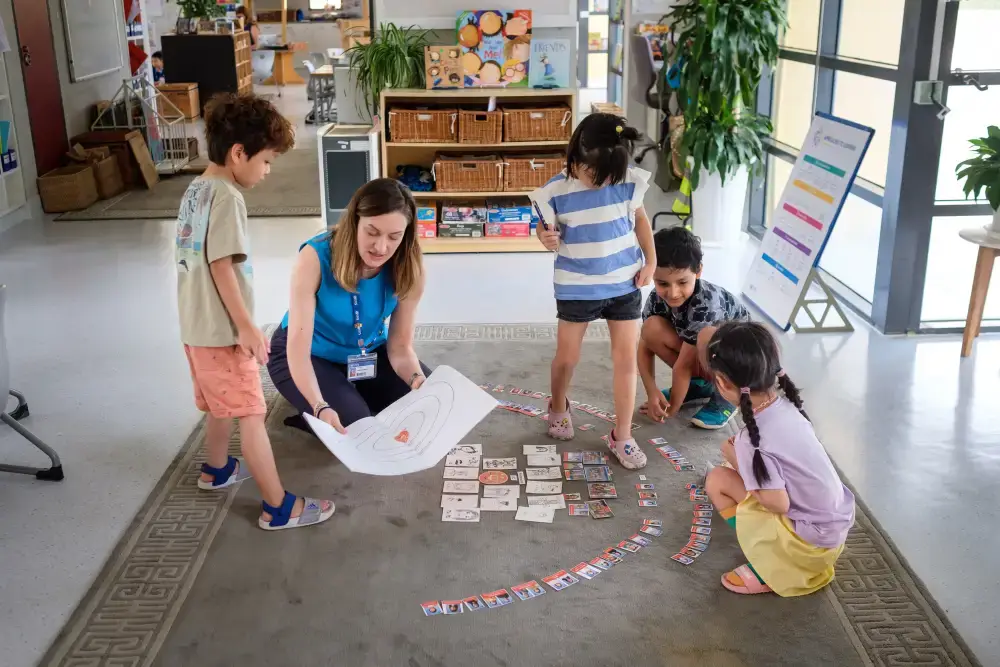

Every evening, parents face a daunting challenge when guiding their children through complex academic material. Children often freeze when confronted with word problems or dense reading passages. Meanwhile, parents struggle to provide modern subject-specific learning tips that actually work.
As an educator and a parent, I see this academic anxiety fracture family peace daily. Fortunately, brain-based approaches can completely transform how kids process literacy and numeracy. Mentora Tutorial Services, Co. firmly believes that targeted guidance unlocks hidden potential.
The Cognitive Foundations of Math Help for Kids
Young learners frequently view mathematics as an abstract series of intimidating numbers and rigid rules. However, cognitive psychology reveals that children learn math best through concrete, visual representations. Parents must bridge the gap between abstract equations and physical reality using everyday objects.
When kids manipulate physical items, their brains build durable neural pathways for abstract logic. Furthermore, breaking complex algorithms into smaller steps prevents cognitive overload. Providing effective math help for kids requires patience, visual aids, and consistent encouragement. Families can explore Khan Academy for exceptional interactive math practice tools.
Unlocking Literacy Through Advanced Reading Strategies for Students
Reading comprehension extends far beyond simply decoding words on a printed page. Truly proficient readers actively interact with texts by questioning, predicting, and summarizing content.
Therefore, parents should encourage active annotation during every single reading session. When children ask questions about character motives, their analytical thinking skills expand exponentially.
Moreover, vocabulary acquisition thrives when kids encounter words in rich, meaningful contexts. Implementing powerful reading strategies for students turns passive readers into passionate lifelong learners. Educators at ReadWorks offer fantastic resources designed to build deep comprehension.
💡 Pro-Tip: Always ask your child to predict the ending of a story before the final chapter to boost critical thinking.
Practical Integration and Emotional Support
Balancing both math and reading development requires a structured yet flexible weekly schedule. Children experience less burnout when parents alternate subject focuses on different days. Additionally, positive reinforcement builds the emotional resilience needed to tackle difficult academic subjects.
Mentora Tutorial Services, Co. specializes in customized mentoring that addresses these exact learning hurdles. Parents looking for broader developmental insights often benefit from guidance at the Child Mind Institute. Furthermore, proper rest ensures that newly learned concepts transfer into long-term memory. You can discover additional study routines via Edutopia.
⚠️ Warning: Never dismiss your child’s frustration as laziness. Emotional roadblocks frequently masquerade as a lack of academic effort.
Final Thoughts
Mastering math and reading demands targeted strategies, emotional intelligence, and unwavering consistency from parents. Remember that academic growth happens in small, incremental steps over extended periods. By integrating psychological insights into daily routines, you pave the way for permanent success. How does your child tackle their most challenging subjects? Please share your thoughts in the comments below!