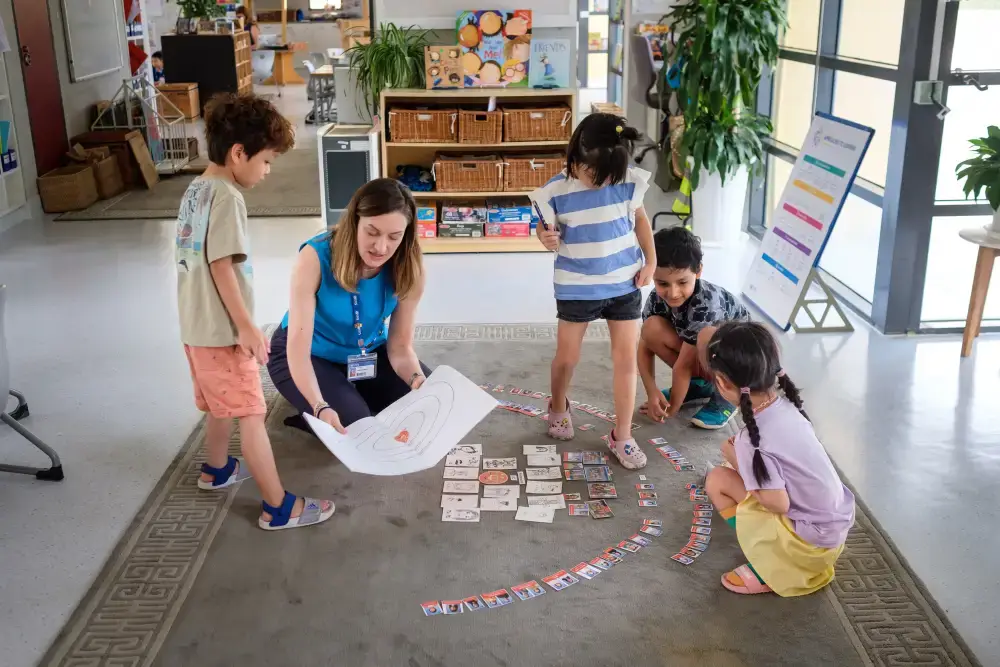
Every afternoon, living rooms transform into battlegrounds. Parents watch their children struggle with study habits for students while textbooks lie open and distractions loom large. Meanwhile, children stare blankly at incomplete assignments. Frustration mounts quickly on both sides.
As a teacher, I witness this daily exhaustion among families. Fortunately, science offers clear pathways toward academic peace. Mentora Tutorial Services, Co. champions evidence-based strategies to transform chaos into structured learning.
The Psychology of Student Focus and Attention Spans
Children possess developing prefrontal cortices that constantly crave immediate gratification. Consequently, maintaining deep concentration requires deliberate environmental design. Environmental psychology demonstrates that clutter directly taxes cognitive load.
Therefore, parents must establish dedicated study zones free from screens and toys. When kids enter this specific zone, their brains naturally switch into work mode.
Furthermore, routine reinforces neural pathways responsible for sustained attention. Establishing a predictable homework schedule harnesses this psychological mechanism effectively.
Mastering Time Management Through the Pomodoro Technique
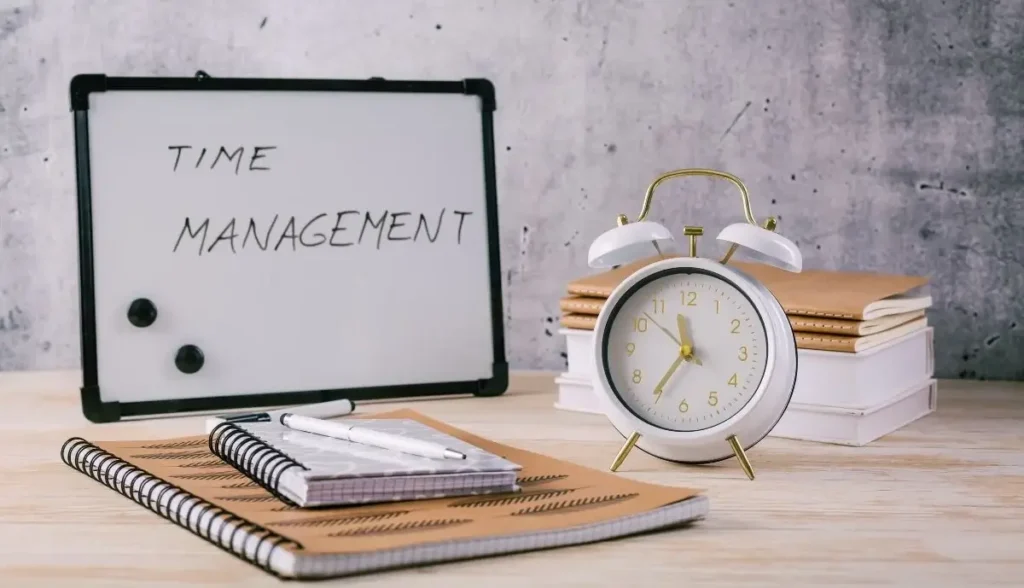
Many students fail because they attempt to study for hours without a break. Naturally, cognitive fatigue sets in within twenty minutes. However, structured intervals change this dynamic completely. The Pomodoro Technique provides an exceptional framework for young learners. Children study with intense focus for twenty-five minutes. Subsequently, they earn a refreshing five-minute break.
Time management for students improves dramatically when tasks face division into smaller segments. Parents can explore Understood Learning Differences for brilliant executive functioning resources.
💡 Pro-Tip: Always allow children to choose their break activities, but strictly ban screens during short rests to protect their attention spans.
Practical Strategies on How to Focus on Homework
Eliminating digital distractions remains the single greatest hurdle for modern learners. Smartphones emit micro-notifications that derail a child’s focus for up to twenty minutes. Therefore, phones must reside in another room during study blocks.
Moreover, breaking down massive projects prevents overwhelming anxiety. Parents should teach kids to list three micro-tasks before starting any assignment. Educators at Edutopia frequently highlight the power of small wins in building academic confidence. Additionally, proper nutrition and sleep fuel the cognitive engine required for deep work. You can read more about adolescent sleep needs via the Sleep Foundation.
⚠️ Warning: Never complete homework for your child. Rescuing them from temporary struggle robs them of essential resilience and problem-solving skills.
Fostering Long-Term Academic Independence
True education extends far beyond nightly homework completion. Parents must gradually step back as guides rather than micromanagers. When students take ownership of their schedules, intrinsic motivation naturally blossoms.
Furthermore, consistent positive reinforcement solidifies these lifelong habits. Mentora Tutorial Services, Co. specializes in personalized mentoring that nurtures this exact independence. Families seeking extra guidance often benefit from expert insights found on Child Mind Institute. Ultimately, patience remains your most powerful tool throughout this developmental journey.
Final Thoughts
Building sustainable study habits requires immense patience, consistency, and psychological insight. Remember that transformation happens gradually over weeks, not overnight. By prioritizing structure and emotional support, you pave the way for lifelong success. How does your family handle evening homework routines? Please share your experiences in the comments below!