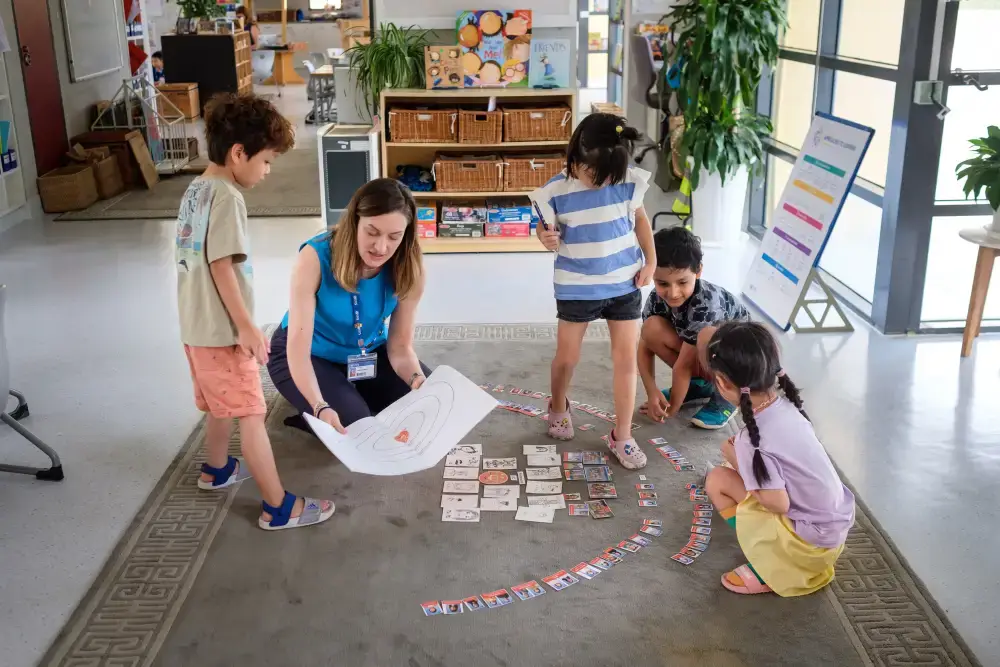
Every morning, kindergarten classrooms buzz with the joyful sounds of building blocks, dramatic play, and shared storytelling. Adults frequently mistake this vibrant commotion for mere entertainment rather than rigorous academic preparation.
Meanwhile, children eagerly absorb complex cognitive lessons through hands-on exploration. As an educator and parent, I witness how purposeful play builds foundational literacy skills daily. Mentora Tutorial Services, Co. firmly believes that joyful engagement unlocks early academic potential.
The Cognitive Science Behind Play-Based Learning Benefits
Young children possess developing brains that naturally crave sensory-rich environments and dynamic social interactions. Cognitive development theory demonstrates that children construct knowledge actively rather than absorbing it passively.
Therefore, preschool classrooms must prioritize experiential activities over rote memorization tasks. When children negotiate roles during pretend play, their brains build durable neural pathways for symbolic thought.
Furthermore, symbolic thought directly translates into decoding written letters and understanding narrative structures. Recognizing the profound play-based learning benefits transforms how modern parents view preschool education. Families can explore Zero to Three for exceptional early brain development resources.
Unlocking Literacy Through Fun Early Literacy Tips
Reading proficiency does not begin with flashcards and forced spelling drills. Truly successful readers develop a deep love for language through rhymes, songs, and shared storytelling. Therefore, parents should incorporate daily read-aloud sessions into their bedtime routines.
When children discuss story plots, their vocabulary acquisition expands exponentially. Moreover, phonological awareness thrives when kids playfully manipulate speech sounds through rhyming games. Implementing powerful early literacy tips turns passive listeners into confident, expressive speakers. Educators at Scholastic offer fantastic resources designed to build early reading readiness.
💡 Pro-Tip: Always pause during story time to ask your child what happens next, as this builds critical predictive reasoning.
Practical Integration and Emotional Support in Preschool Education
Balancing structured play with foundational academic preparation requires a thoughtful daily routine. Children experience less anxiety when parents blend creative play with gentle letter recognition games. Additionally, positive reinforcement builds the emotional resilience needed to tackle new challenges.
Mentora Tutorial Services, Co. specializes in customized early childhood mentoring that addresses these precise developmental milestones. Parents looking for broader psychological insights often benefit from guidance at the National Association for the Education of Young Children.
Furthermore, proper rest ensures that newly processed language concepts transfer into permanent memory. You can discover additional early learning routines via Edutopia.
⚠️ Warning: Never force formal worksheets onto toddlers. Premature academic pressure frequently destroys a child’s natural intrinsic motivation to read.
Fostering Long-Term Educational Success
True early education extends far beyond simple alphabet memorization or basic counting. Parents must act as enthusiastic co-explorers rather than strict taskmasters. When young children take ownership of their imaginative play, lifelong curiosity naturally blossoms. Furthermore, consistent emotional encouragement solidifies these foundational habits for future schooling.
Mentora Tutorial Services, Co. champions personalized mentoring that nurtures this exact independent mindset. Families seeking extra guidance often benefit from expert insights found on the Harvard Graduate School of Education. Ultimately, patience remains your most powerful tool throughout these formative years.
Final Thoughts
Fostering early literacy through play demands targeted strategies, emotional intelligence, and unwavering consistency from parents. Remember that developmental growth happens in small, joyful steps over extended periods. By integrating psychological insights into daily play routines, you pave the way for permanent academic success. How does your family incorporate playful learning into your daily schedule? Please share your thoughts in the comments below!